
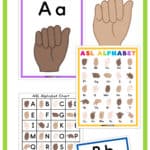
Free ASL printables and teaching resources for kids!
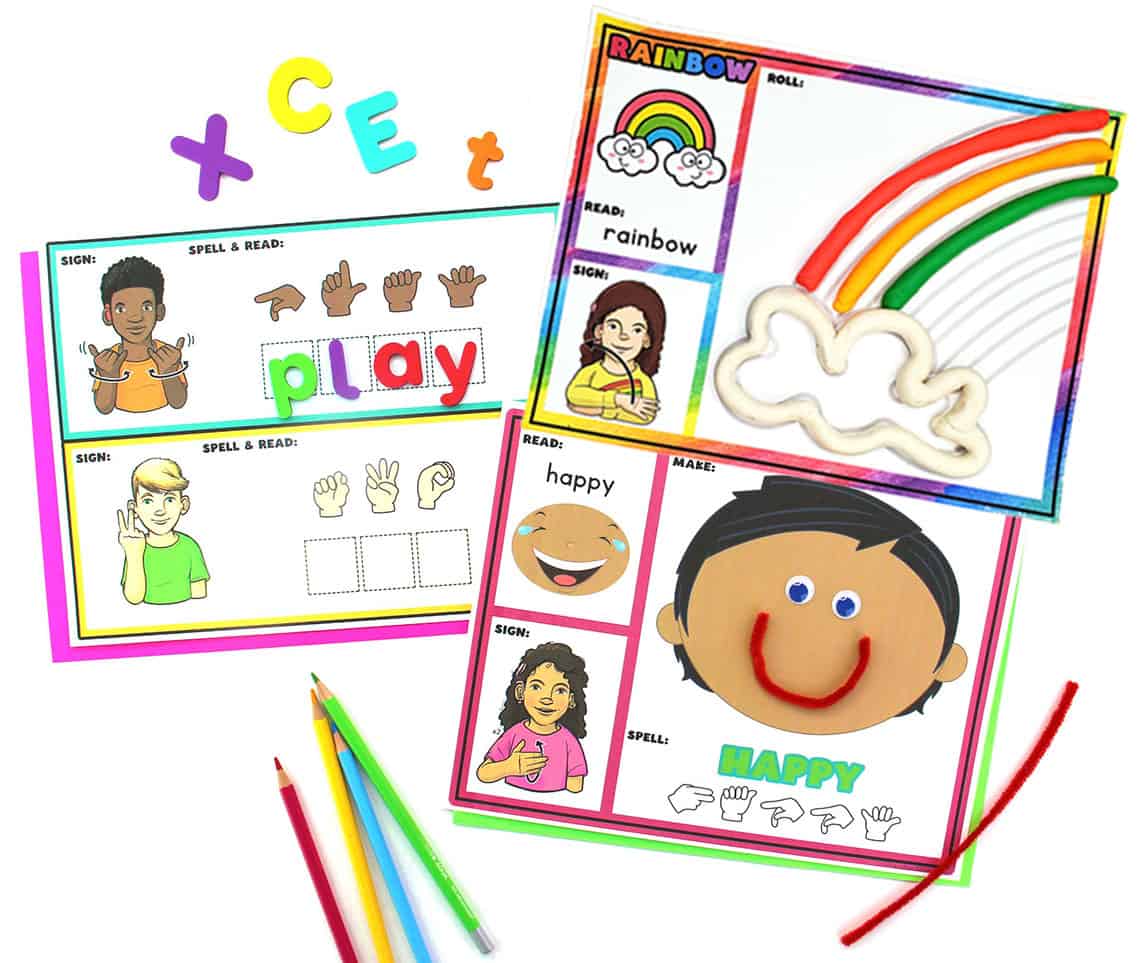
Hand signing is an engaging way for students to learn a new language. Use our charts, flashcards, games, and more printables that teach the art of American Sign Language. Grab all of these free resources and pair them with our ASL Bundle for even more sign language fun!

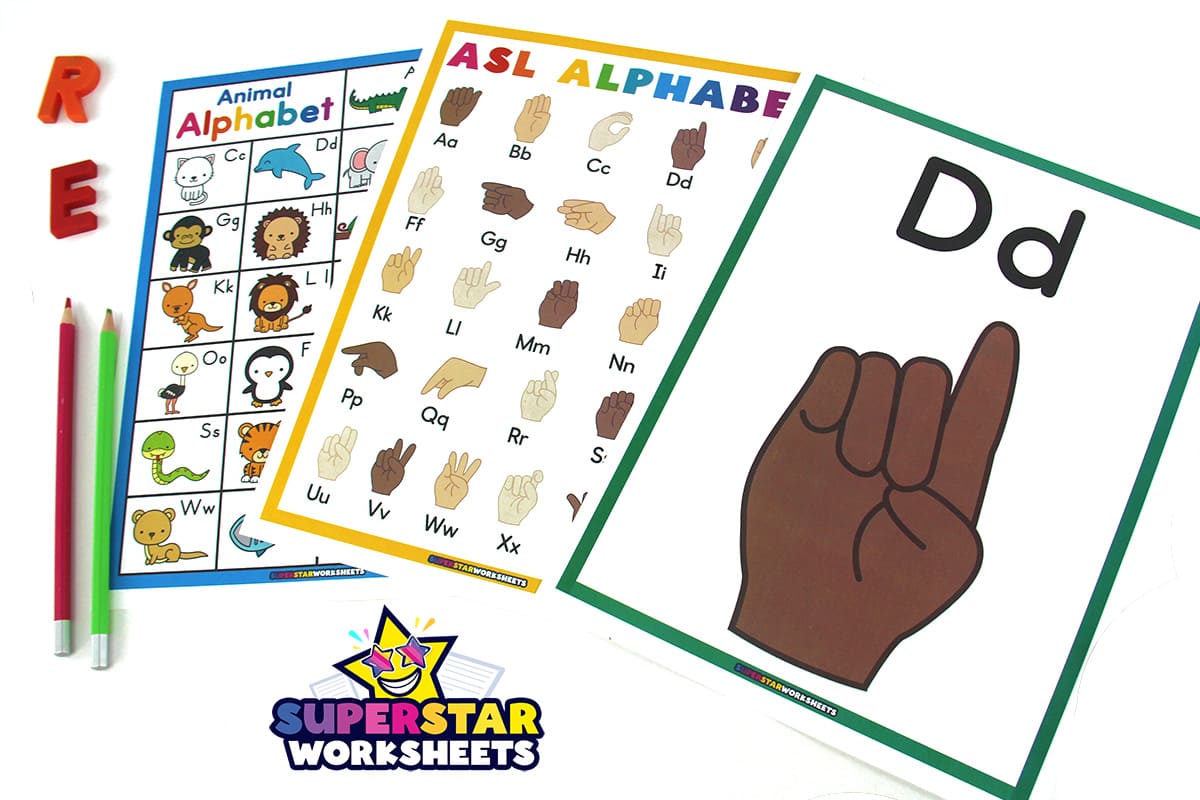
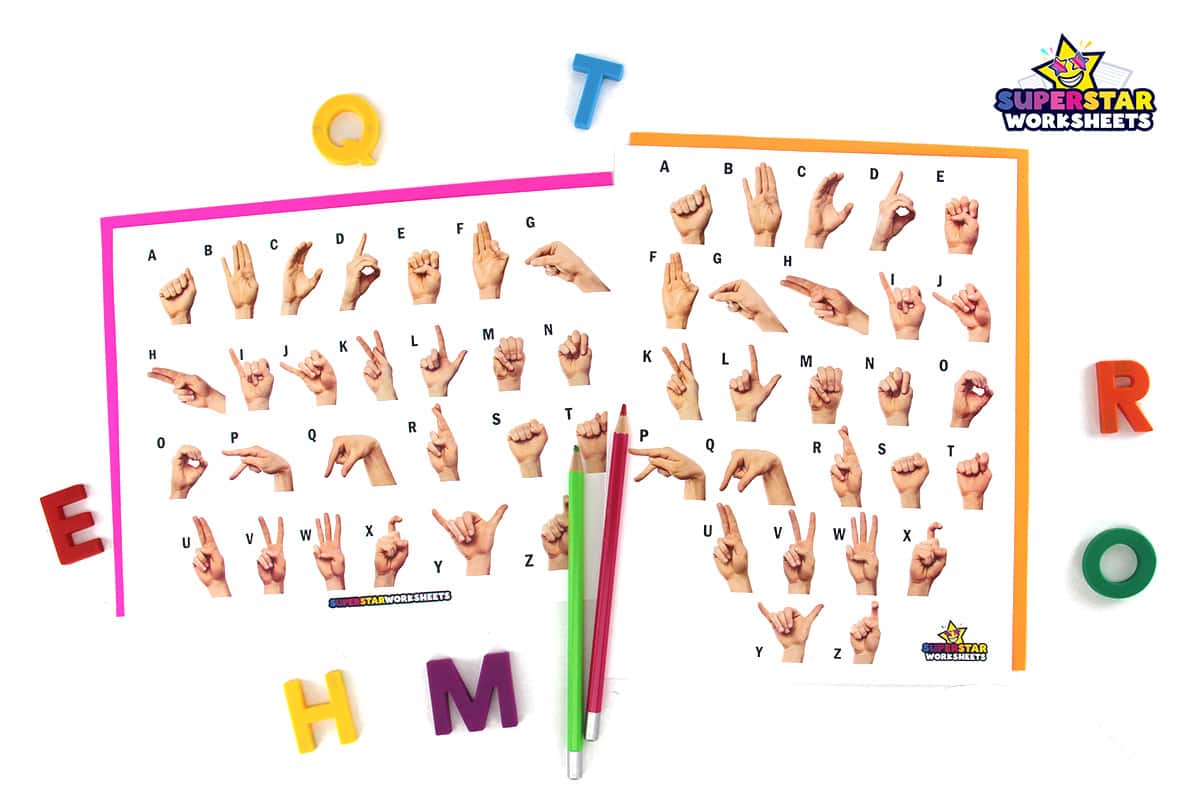
ASL Alphabet teaches sign language alphabet using realistic hand gestures with ASL charts and ASL posters! Included in this post are a variety of asl hand sign resources to help engage your students in learning a new language. These products are highly engaging and extremely teacher-friendly.
- ASL
- Language & Communication
- Alphabet
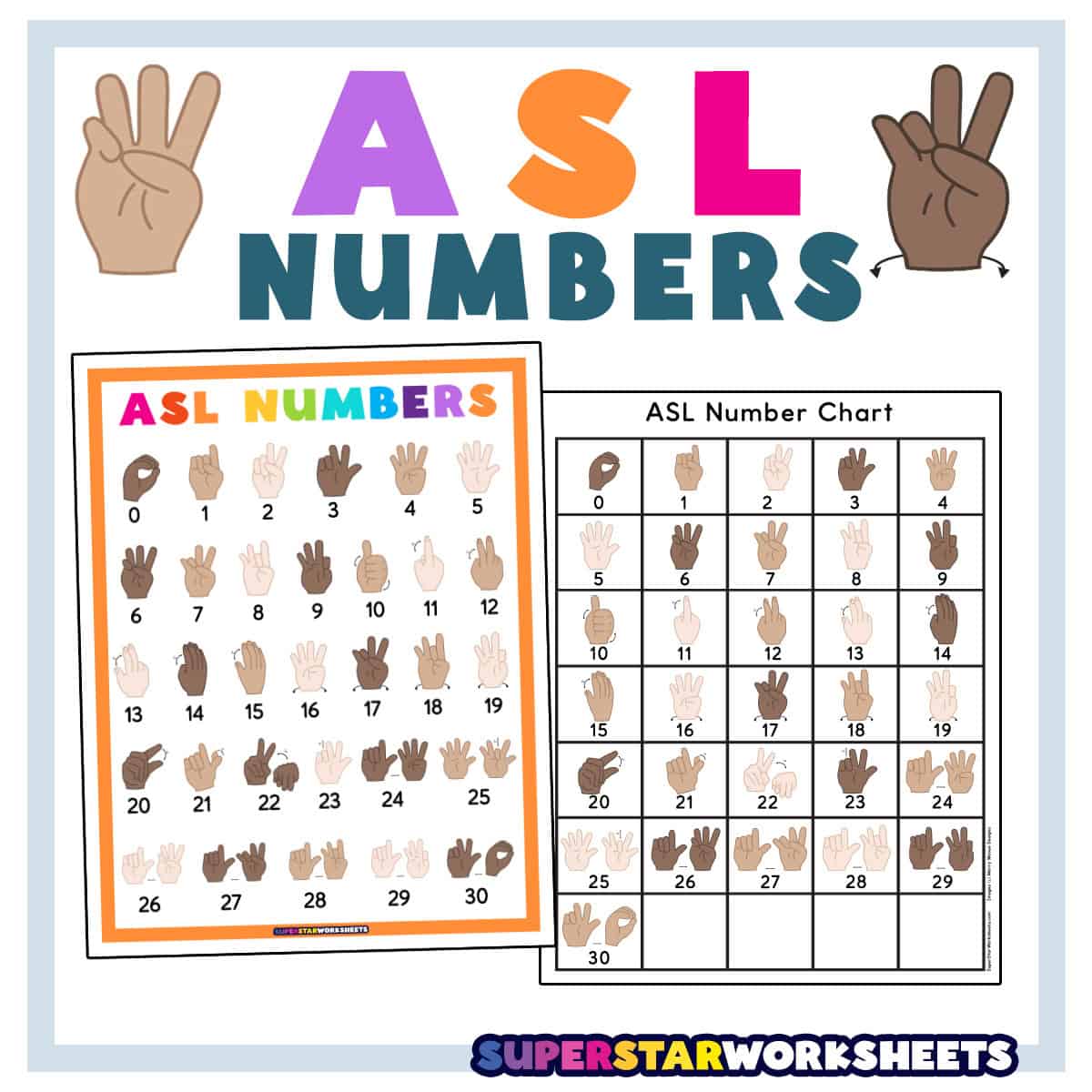
Free printable ASL Numbers for students learning sign language numbers. Our ASL Number charts feature hand signs for each cardinal number from 1 to 30 for kids and adults to reference while learning to fingerspell. Download and print this colorful PDF American Sign Language numbers posters, charts, and activities for a classroom bulletin board.

What Does ASL Mean?
American Sign Language (ASL) is a visual-gestural language used by many individuals, primarily in the deaf and hard of hearing community, to communicate through hand movements, facial expressions, and body postures. As a primary teacher or homeschooling parent, it’s important to understand that ASL is a rich and rewarding language with its own grammar and syntax, distinct from spoken languages.
Is ASL for Deaf People?
American Sign Language (ASL) is not exclusively for deaf people; it is a valuable communication tool that can benefit individuals of all abilities, including those who are hearing. It’s important to recognize that ASL is a versatile language that can be learned and used by anyone interested in effective communication. Teaching ASL to children, whether they are deaf or hearing, awareness and the development of strong communication and fine motor skills.
Why is ASL an Important Tool for Teaching Kids?
Incorporating American Sign Language (ASL) into educational settings for teaching kids helps enhance their communication skills, builds fine motor, boost cognitive development, foster cultural awareness, improve early literacy skills, facilitate multisensory learning, and promote creativity and expression. By introducing ASL to children, educators and homeschool parents create a dynamic learning environment that nurtures academic
Comments (2)
Love that you are including this! Another language and another modality for learning🤟
love it