
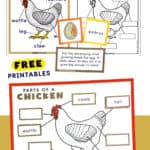
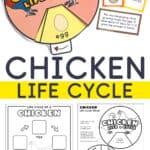
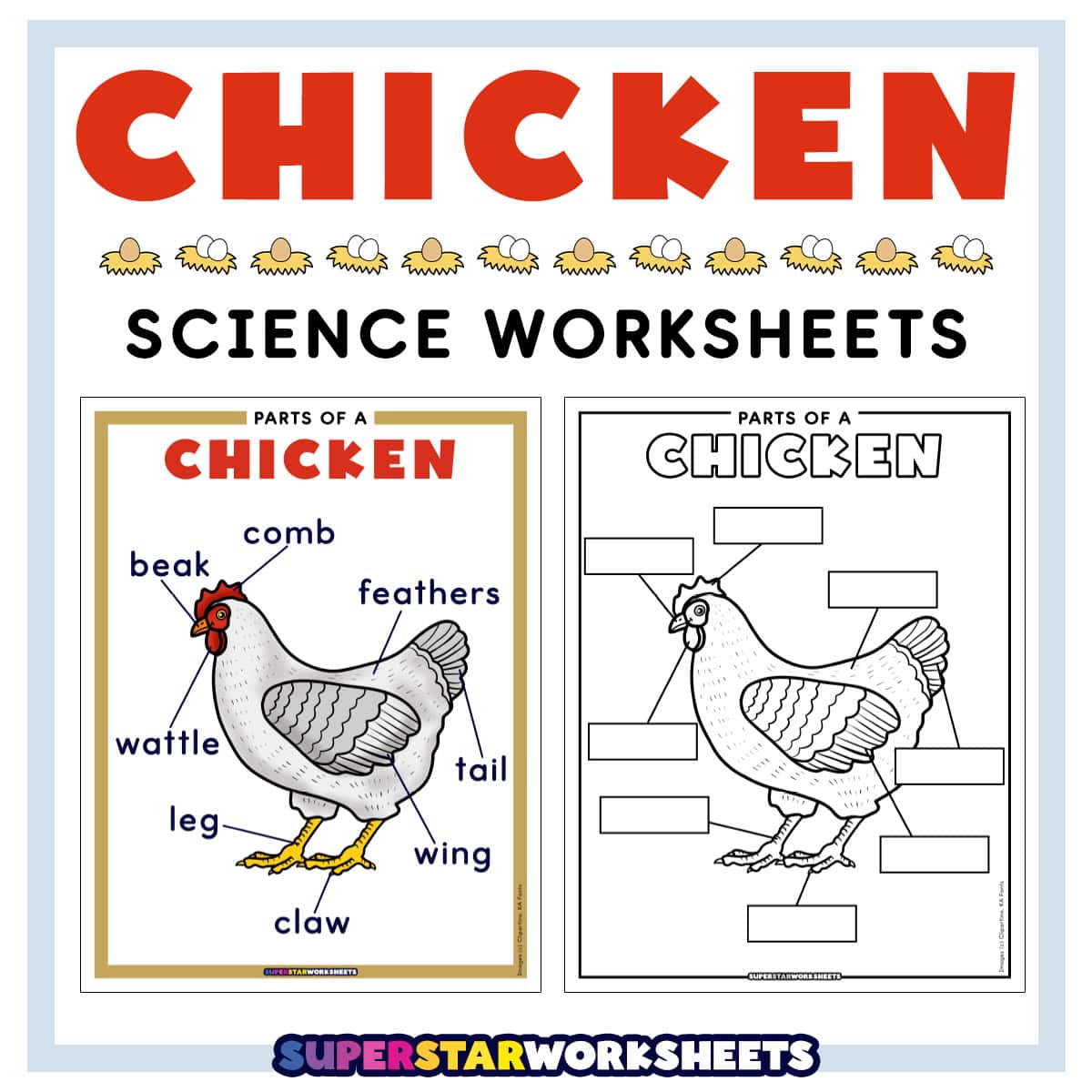
Free printable Chicken Worksheets for elementary science classrooms. Download and print PDF chicken life cycle charts, parts of a chicken diagrams, vocabulary cards, fun facts pages, and egg experiment activities for young learners. These worksheets help kids build vocabulary, reading comprehension, and scientific observation skills while exploring how chickens grow, develop, and survive. Perfect for classroom science centers, homeschool lessons, or small group activities, this collection covers everything from labeling a chicken’s body parts to running a hands-on egg drop experiment.
Parts of a Chicken Worksheets
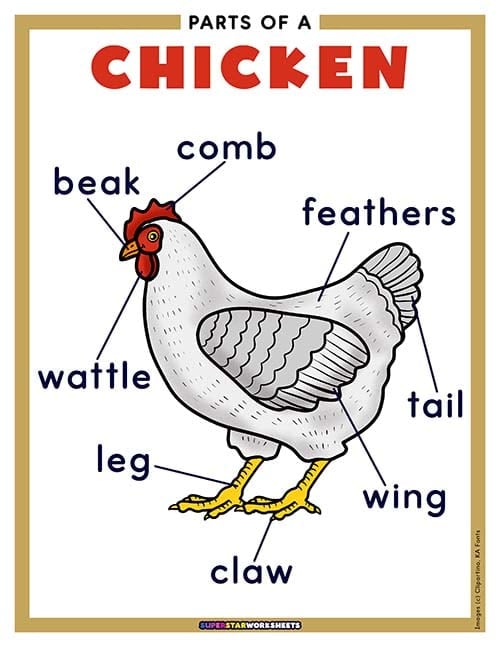
This full-color Parts of a Chicken chart is a classroom-ready poster showing the comb, wattle, beak, feathers, wing, tail, leg, and claw. Download and print this chicken anatomy diagram as a labeling anchor chart to introduce young learners to basic chicken body parts.
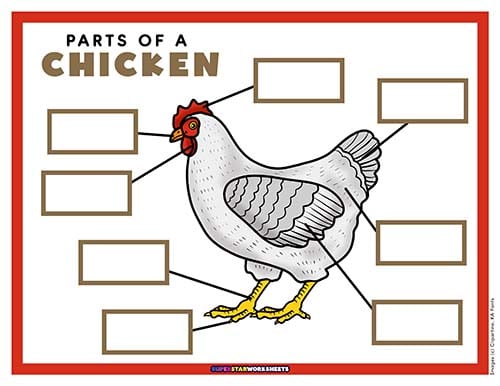
Parts of a Chicken Learning Mat
This reusable learning mat lets students match and place word labels directly onto a chicken diagram. It is a hands-on way to reinforce chicken anatomy vocabulary during small group or center time.
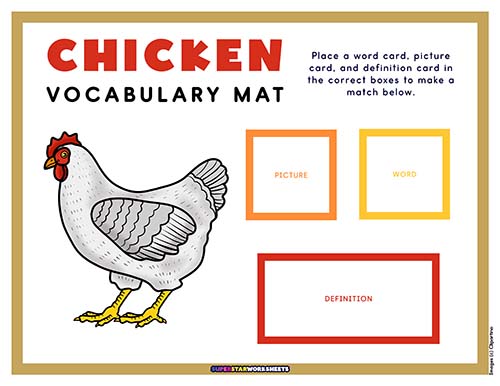
This vocabulary mat pairs picture, word, and definition cards for key chicken anatomy terms. Students match each piece to build vocabulary and reading skills around parts of a chicken.
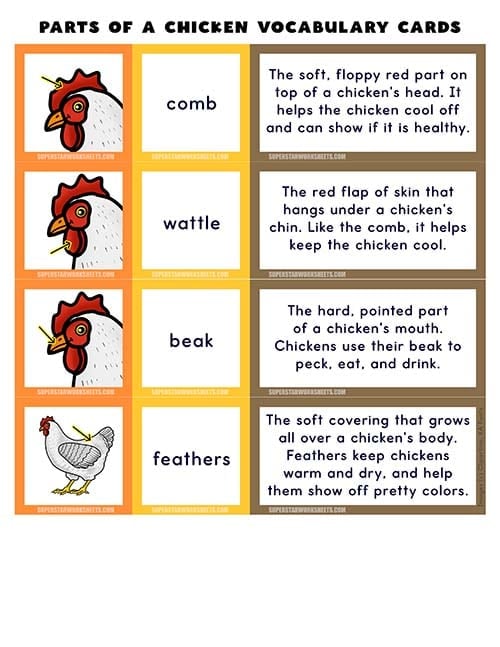
Parts of a Chicken Vocabulary Cards
These vocabulary cards ask students to read and match chicken anatomy terms with their matching pictures and definitions, which pairs well with the parts of a chicken chart and learning mat.
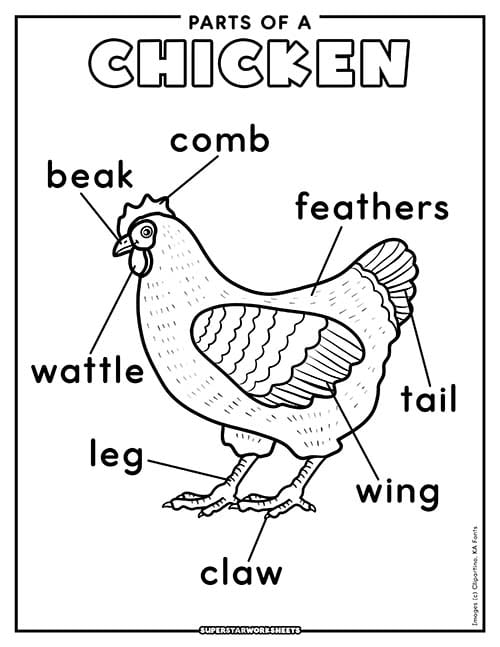
Parts of a Chicken (Black and White)
This black and white version of the parts of a chicken chart invites students to identify, name, and color each labeled part. It works well for independent practice or as a coloring page companion to the color anchor chart.
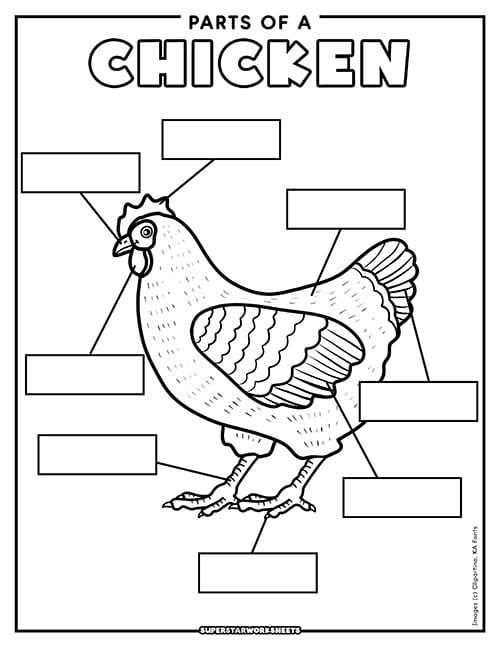
Parts of a Chicken Cut and Paste
In this cut and paste activity, students match and place word labels onto a chicken diagram, reinforcing parts of a chicken vocabulary through a hands-on practice format.
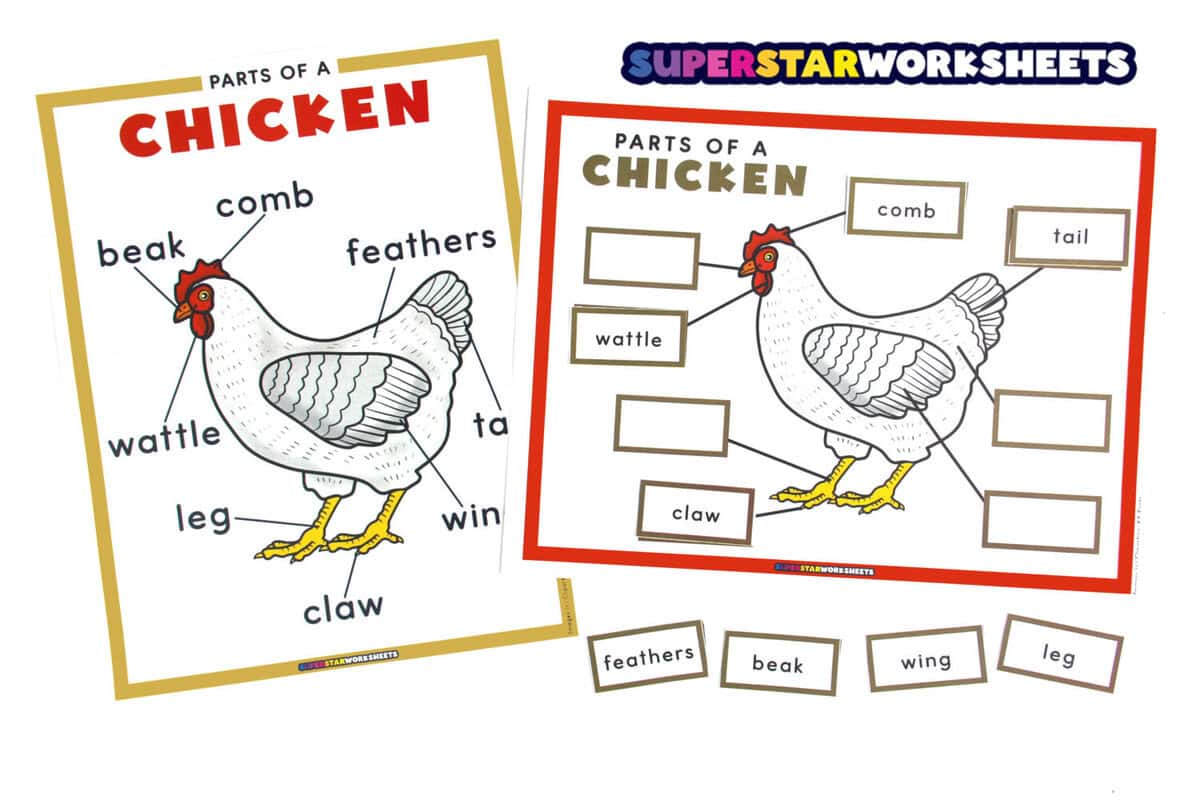
Teaching Parts of a Chicken
This topic works well as the very first lesson in a chicken unit, since naming the body parts gives students the vocabulary they will use throughout the rest of the unit. Start with the full color chart and learning mat, then move to the black and white chart or cut-and-paste worksheet for independent practice. Encourage students to point to each part on a stuffed animal or picture book as an extra hands-on connection.
Vocabulary Bank: comb, wattle, beak, feathers, wing, tail, leg, claw.
Chicken Life Cycle Worksheets
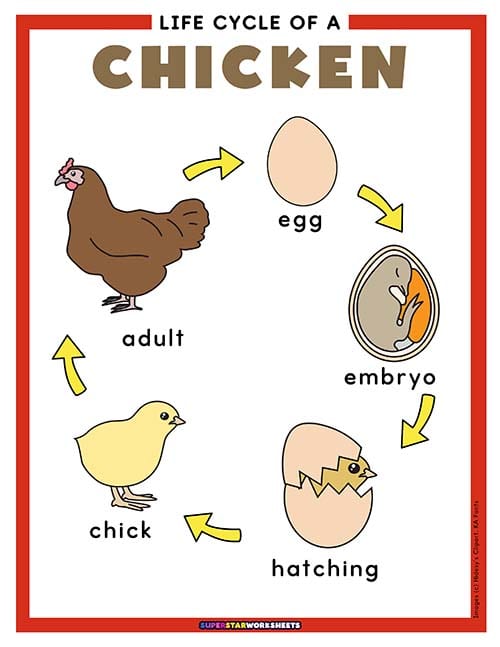
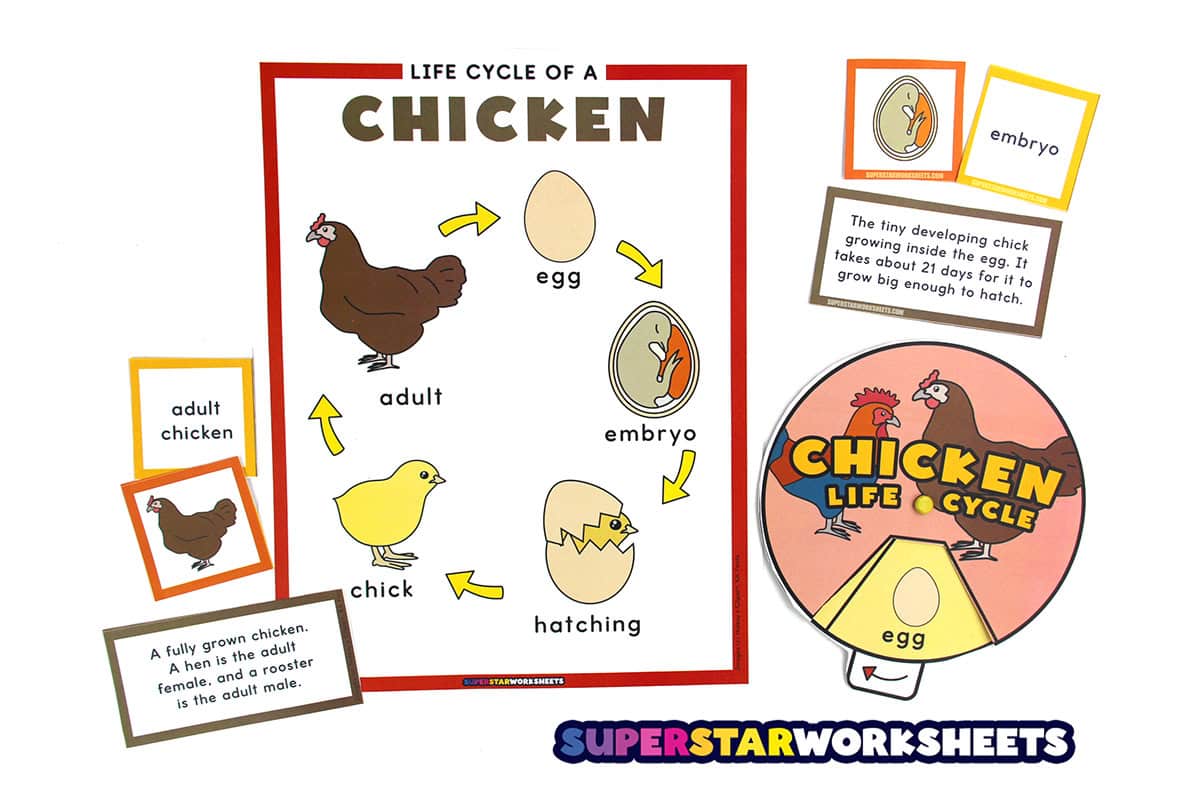
This full-color chicken life cycle chart shows and sequences the stages a chicken goes through, from egg to adult. It works well as a classroom anchor chart introducing the life cycle of a chicken.
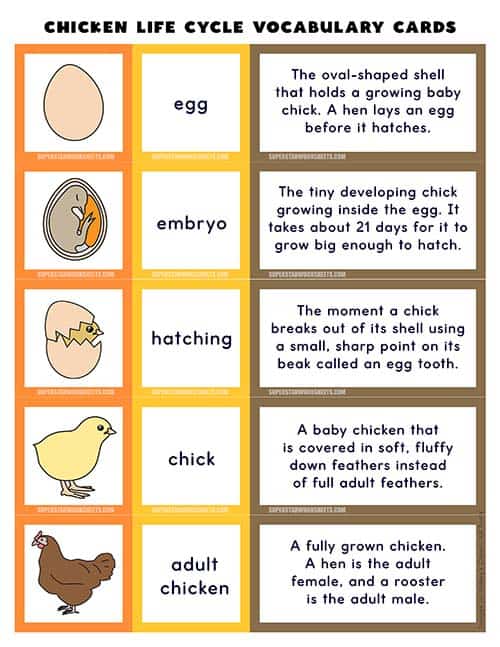
Chicken Life Cycle Vocabulary Cards
These vocabulary cards ask students to read and match chicken life cycle terms with their matching pictures and definitions, reinforcing egg, embryo, hatching, chick, and adult chicken vocabulary.
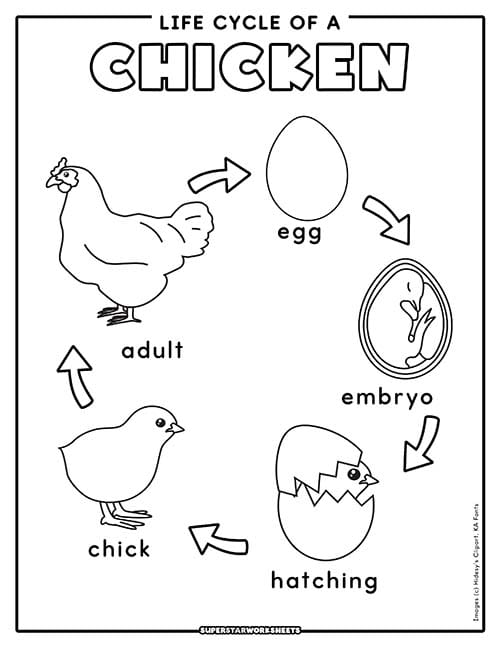
Life Cycle of a Chicken (Black and White)
This black and white chicken life cycle chart has students color and identify each stage of the life cycle, making it a simple, low-prep companion to the color anchor chart. For more fun activities to use in your classroom, try out our FREE Kindergarten Word Search!
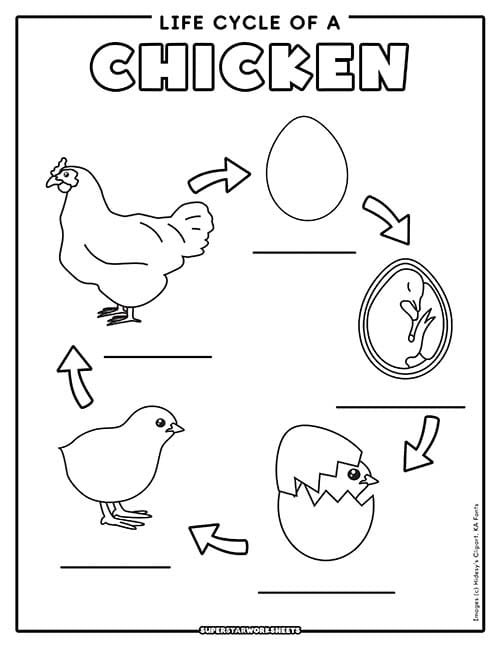
Life Cycle of a Chicken Labeling Worksheet
Students label the stages of the chicken life cycle from memory in this practice worksheet, which is a quick way to check understanding after introducing the life cycle chart.
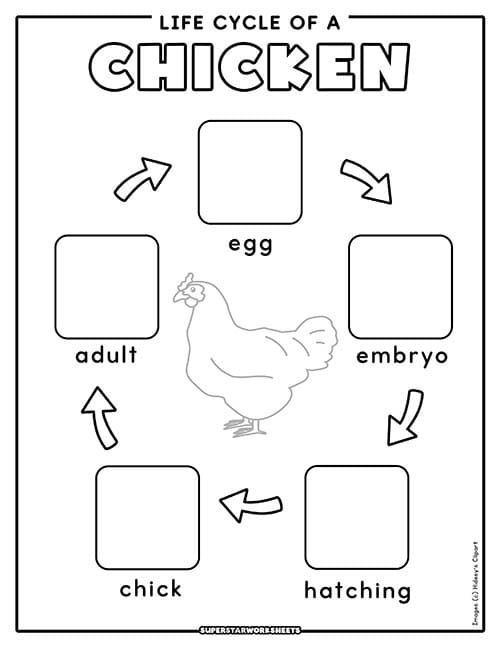
Life Cycle of a Chicken Cut and Paste
In this cut and paste activity, students sequence and paste the stages of the chicken life cycle in order, reinforcing the egg to adult chicken progression in a hands-on format.
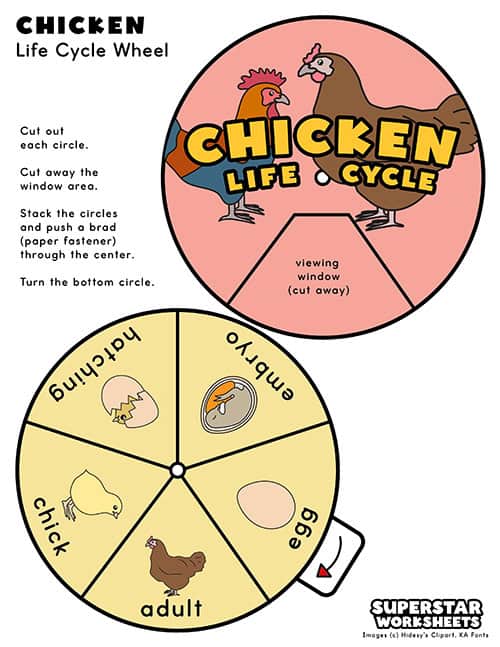
Students assemble this spinning wheel craft to review and retell the stages of the chicken life cycle, making it a fun, hands-on activity to wrap up the life cycle unit.
Teaching the Chicken Life Cycle
Introduce the life cycle chart first so students see the full picture before breaking it into individual stages. Teachers can pair this topic with a discussion of incubation, since that is where the cycle begins. The cut and paste worksheet and life cycle wheel both work well as independent checks for understanding after a whole-group lesson.
Vocabulary Bank: egg, embryo, hatching, chick, adult chicken (hen/rooster)
Chicken Facts & Research Worksheets
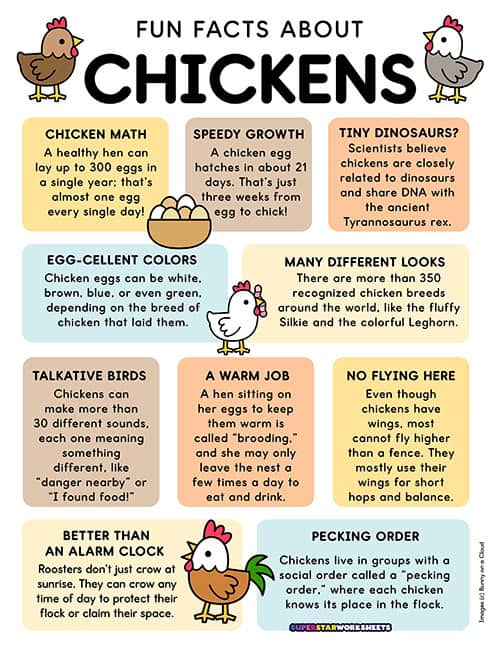
This fun facts page shares interesting chicken facts for kids to read and discuss as a class, making it a great model text to spark curiosity before diving into chicken research activities.
Two Truths and a Lie: Chickens
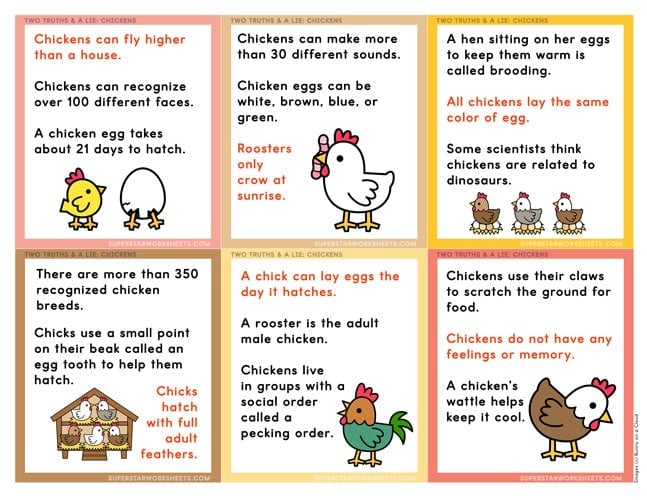
In this fun facts game, teacher read statements and students evaluate chicken facts to identify one is the lie, building reading comprehension and critical thinking around chicken facts in a playful format.
Types of Chickens Reading Comprehension
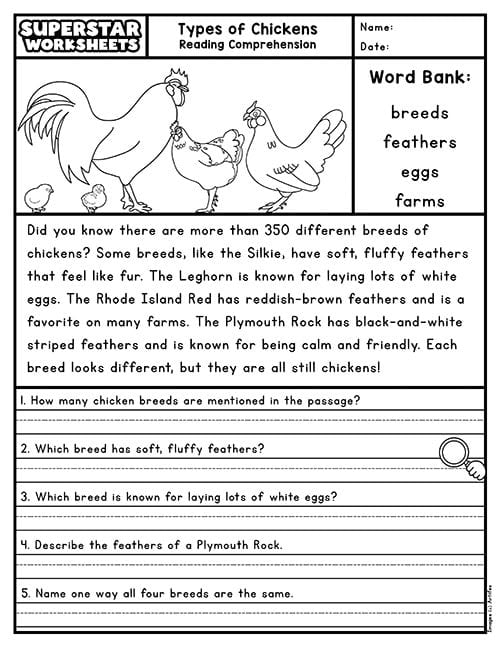
Students read a short informational passage about chicken breeds and answer comprehension questions, building nonfiction reading skills alongside chicken research content. For more reading-related FREE printables, check out our Sound Wall worksheets today!
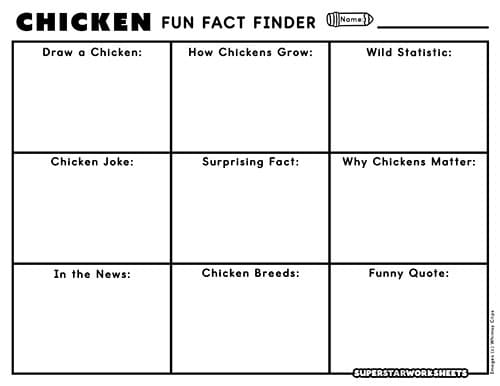
In this research activity, students record a variety of chicken facts using guided prompts, making it a flexible practice page for independent research or small group science centers.
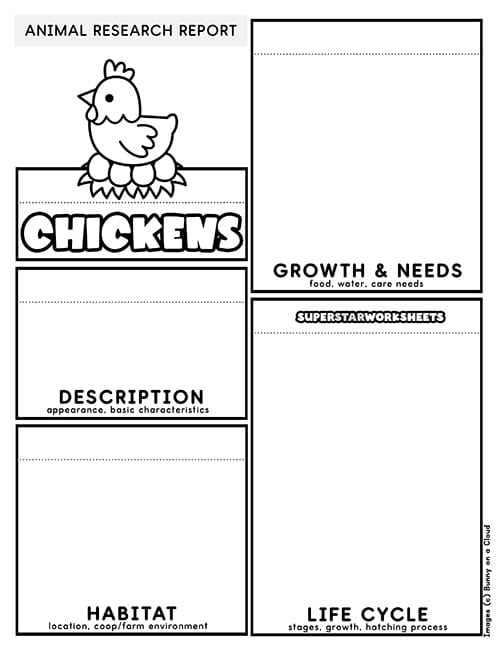
This structured research report guides students to research and record facts about chickens in an organized report format, tying together everything learned in the facts and research unit.
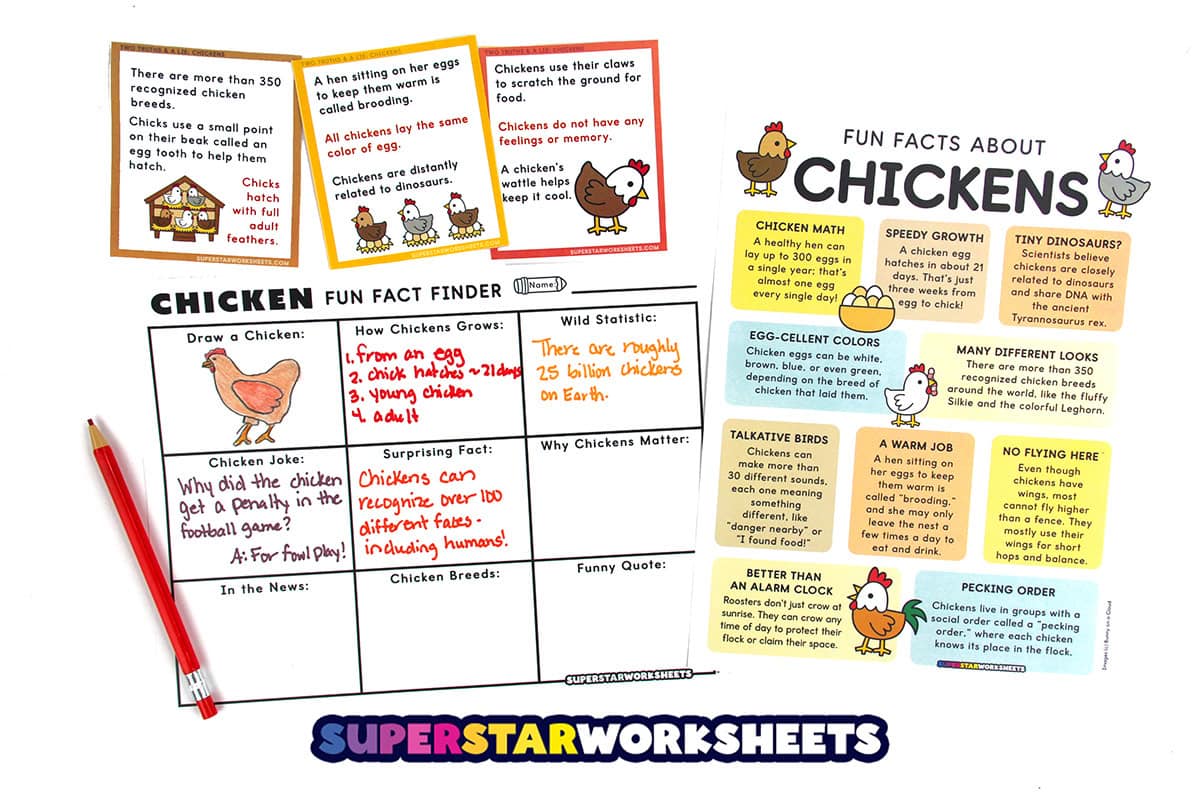
Teaching Chicken Facts
The Fun Facts chart works well as an introduction to a chicken unit or as a stand-alone reading center. Start by reading the chart aloud as a class, pausing to let students react to the most surprising facts, then move into the Two Truths and a Lie game to check what stuck. The reading comprehension passage and fact finder both work well as follow-up research activities once students have a base of fun facts to build on.
Chicken Investigations & Experiments
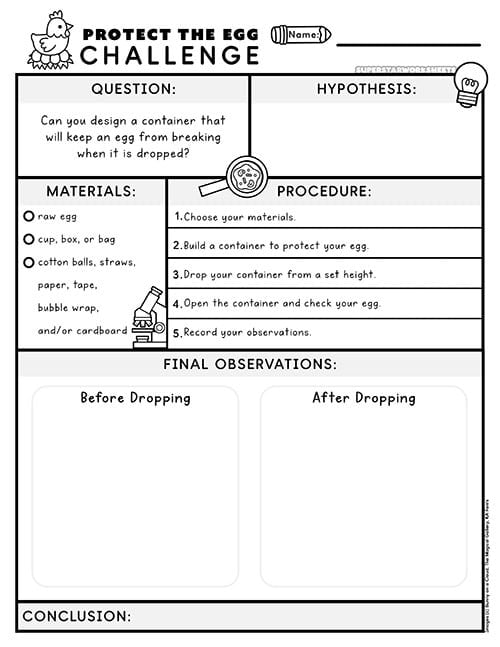
In this STEM challenge, students design, build, and test a container meant to protect an egg from breaking when dropped, offering a hands-on engineering investigation that pairs well with chicken life cycle and incubation content.
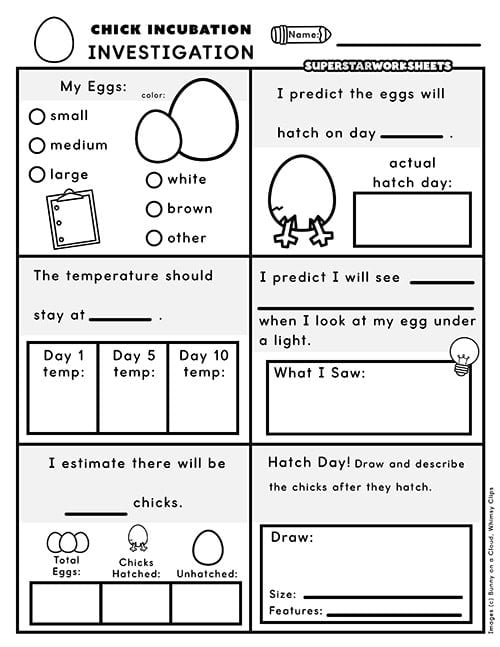
Chick Incubation Investigation
This investigation sheet has students observe and record changes during the chicken egg incubation process, making it a great long-term science journal for classrooms hatching eggs or following an incubation unit.
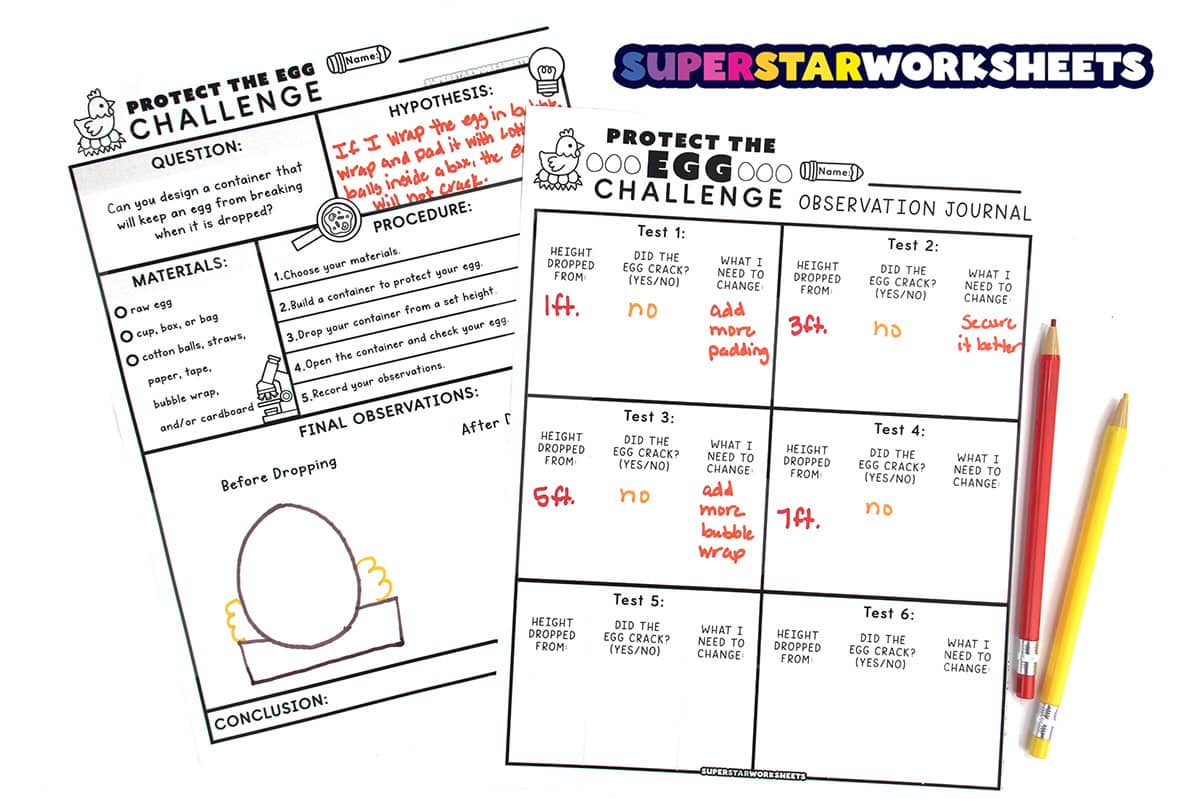
Chicken Investigations and Experiments
These end of unit activities apply everything students have learned about the chicken life cycle to hands-on engineering and observation. The egg drop challenge works well as a single-day design and test activity, while the incubation investigation is better suited to a multi-week classroom hatching project. Consider pairing both activities to give students a complete picture of how eggs are protected in nature and in the classroom.
Vocabulary Bank: incubation, candling, hypothesis, design and test
Leave a Reply